

From Zero to Billionaire: How These Habits Changed Everything for China's Richest Person
5 Pieces of Life Advice from TikTok's founder, Zhang Yiming

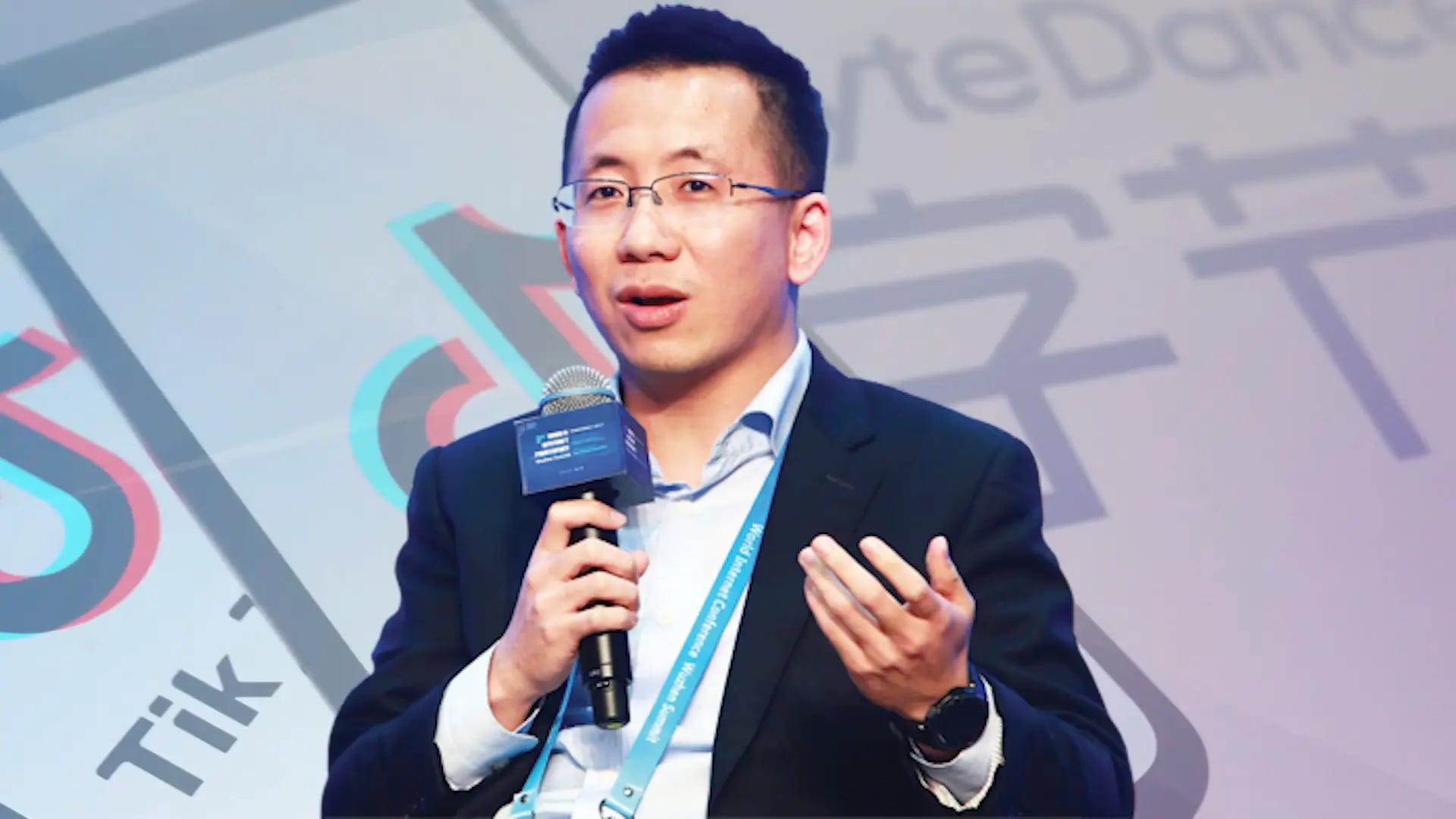
What if the creator of one of the world’s most addictive apps had some life advice to share?
Zhang Yiming, the mind behind TikTok, recently became China’s richest man. His journey is packed with lessons that go beyond business.
In this short post, I will share some of the 5 things that Zhang Yiming said. It reflects his unique perspective on success, resilience, and the pursuit of innovation.
1. When Hungry, Eat; When Tired, Sleep
Zhang Yiming’s approach to life is refreshingly simple. It should stay grounded and let things be as they are.
He believes it’s key to start with a clear, unbiased mind before tackling any big topic. He calls it an “Ordinary Mind”. It is a concept present in Buddhism.
Basically, it's about staying calm, going with the flow and only focusing on the present without overthinking.
In a nutshell, it is
Eat well when you’re eating, and rest well when you’re resting.
2. Everyone is Ordinary
This one is quite interesting. Every media and influencer glamorizes success stories, making it like only “special people” can achieve big things but Zhang completely disagrees with it.
Instead, his take is that “Everyone is Ordinary” and those who embrace the ordinary mindset will succeed in life.
He believes that people who keep things in perspective and see themselves as regular individuals are often the ones who make the biggest impact.
For Zhang, it’s not about unique talents or rare qualities; it’s about consistency and staying grounded.
Yeah, I like it. Consistency is one of the habits that pushes everyone to success.
His take on this,
When we accept ourselves as we are, we’re free to focus on the work itself without getting caught up in our own hype.
In his words,
“ordinary minds make extraordinary things happen.”
3. Competition is the Best Opposition
Zhang sees his competitors as someone who pushes him and his team to be better.
For Zhang, competition isn’t just unavoidable. it’s essential.
When his team would complain about never-ending competition, Zhang’s answer was simple:
Embrace it.
He believes that the challenge is necessary to sharpen skills and to improve them.
Zhang also finds value in criticism from competitors. He learns something from the competitor's criticism.
He says,
While a competitor’s negative take might be mostly flawed, there’s often a small piece of truth worth learning from.
He also mentions that no one can understand your weaknesses as thoroughly as your rivals do.
3. Don’t Just “Go All-In” Without a Plan
Zhang often sees people rush into things with either a “go big or go home” attitude.
But, he thinks going “all-in” can sometimes be a way to avoid thinking things through.
He says that without a plan or strategy, there is always a higher chance of risk.
On the other hand, he believes that keeping things simple and straightforward is a good methodology instead of over-relying on complicated strategies.
When people try to apply fancy methods or business frameworks without really understanding the problem, they risk making mistakes. It’s like trying to fix everything with the same tool, regardless of what’s actually needed.
4. Gather Simple, Direct Feedback
I believe this is one of the best practices every business should carry out on their journey.
That is getting direct feedback from the users.
He usually gathers simple and direct feedback from real users rather than solely relying on high-level data, reports and methodologies.
He also explains that being too focused on theory or frameworks can sometimes cloud judgment.
Instead, he encourages employees to go out and interact directly with users such as by observing what apps friends and family use, having informal conversations, or even conducting casual interviews.
5. Four-Step Method for Handling Mistakes
Zhang outlines a four-step method to handle mistakes, and they are
Recognize the Mistake
Correct the Mistake
Learn from the Mistake
Forgive the Mistake
He states that the first three mistakes that he mentions are taken from a book, and the fourth one, which is to forgive the mistake was added by him.
The thing is simple,
Acknowledge that a mistake has occurred and take immediate action to rectify and correct the mistake.
And then go deep into the reasons behind the mistake to find the causes.
By doing this, you gain insights that help prevent similar mistakes in the future.
Finally, just forgive and forget the negative impact created by the mistake and move on.
Zhang Yiming's advice reminds us that extraordinary achievements aren’t only built on some complex strategies and eye-opening methods but also with simplicity, consistency, and self-awareness.
What do you think of these ideologies? Let me know in the comments.
Subscribed. Do subscribe